GPhC registered|Tracked Delivery
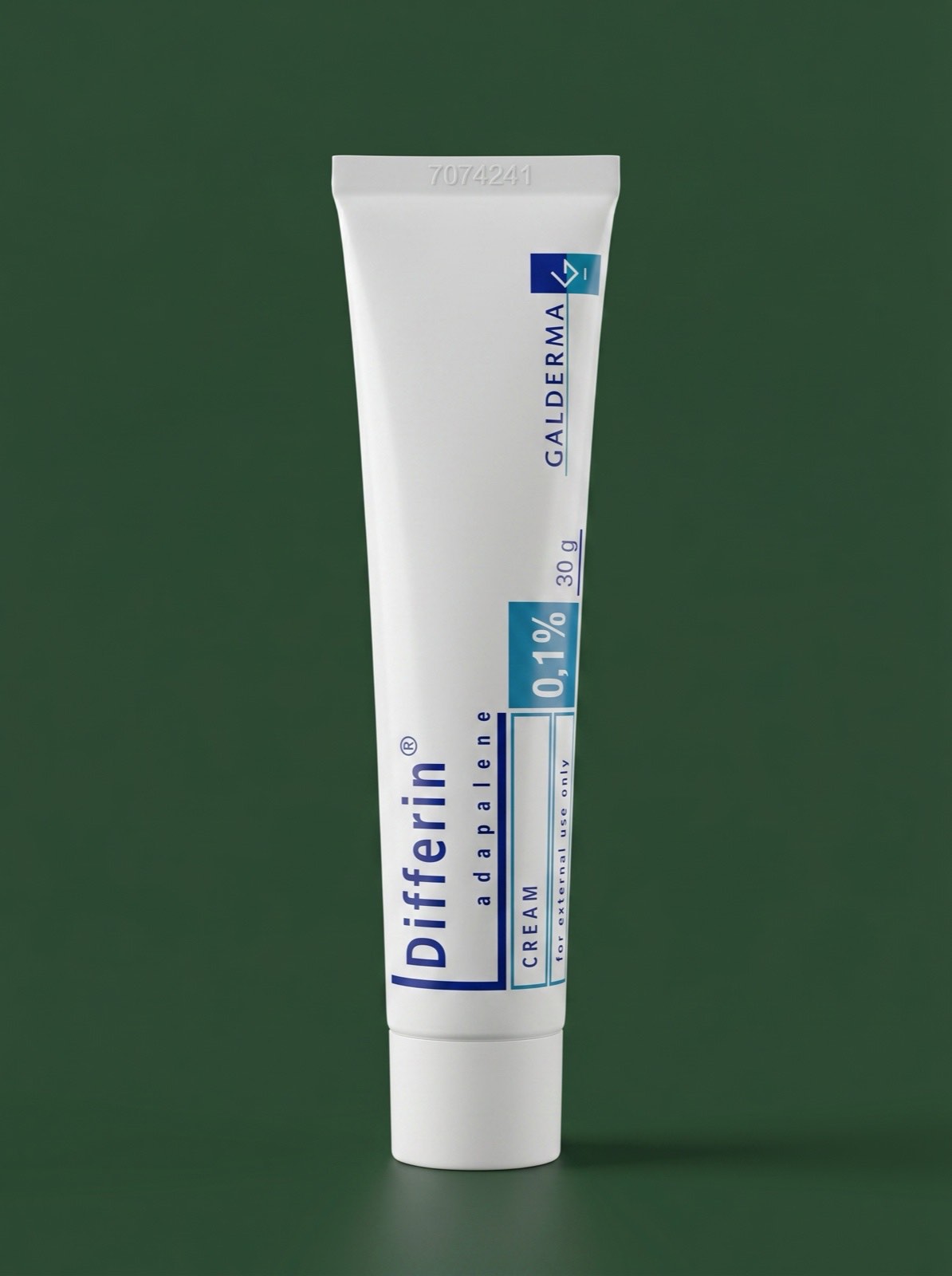
Differin (Adapalene 0.1% gel)
Active ingredient
Adapalene 0.1% w/w
Formulation
Topical aqueous gel
Class
Third-generation topical retinoid (naphthoic acid derivative)
Manufacturer
Galderma (or generic; UK MHRA-licensed)
“Every Differin prescription is reviewed personally. We check suitability, interactions, and whether it is the right clinical choice.”
— Younes Mekhalfia, GPhC-registered pharmacist

Differin

Adapalene 0.1% gel

A once-daily topical retinoid (adapalene 0.1%) used as part of a UK pharmacist-led acne programme, prescribed after clinical review for comedonal and inflammatory acne.

From£29/ month

Starter dose Pea-sized amount to affected areas, once daily at night · Consultation included · Discreet, tracked delivery

  • Once-daily topical application
  • Third-generation retinoid (comedolytic + anti-inflammatory)
  • Pharmacist-reviewed before every prescription
  • Discreet, tracked delivery in plain packaging
Check eligibility

Free consultation · You’re only charged if treatment is approved

  • GPhC-registered pharmacy
  • UK Licensed Medication
  • Discreet packaging
How it works

How Differin works in the body

  1. Normalises follicular turnover

    Adapalene binds to retinoic acid receptors (RAR-β and RAR-γ) in skin, normalising keratinocyte differentiation and reducing the microcomedone formation that drives acne at its source.

  2. Reduces inflammation

    Unlike earlier retinoids, adapalene has direct anti-inflammatory activity on follicular inflammation — targeting both the comedonal and the inflammatory lesion types in mixed acne.

  3. Gradual, sustained response

    Response develops over weeks, not days. Purging of pre-existing microcomedones can cause a temporary flare in weeks 2–4, which is expected and usually resolves with continued use.

Clinical evidence

What the trial data shows

Peer-reviewed evidence for Differin, cited and attributed — not reframed as a personal promise.

Randomised controlled trial

Thiboutot et al. — adapalene in acne

Thiboutot DM et al., Cutis, 2006;78(5 Suppl):25–31

Participants
653
Duration
12 weeks
Comparator
Vehicle (placebo gel)

In patients with mild-to-moderate acne, adapalene 0.1% gel produced greater reductions in total, inflammatory, and non-inflammatory lesion counts than vehicle over 12 weeks. Trial results do not predict individual outcomes.

Meta-analysis / systematic review

Waugh et al. — retinoid class review

Waugh J et al., Drugs, 2004;64(13):1465–1478

Participants
900
Duration
Meta-analysis (multiple trials)
Comparator
Tretinoin; placebo

Adapalene 0.1% showed comparable efficacy to tretinoin 0.025% in lesion count reduction with better tolerability (less erythema and dryness).

Trial results do not predict individual outcomes. Your pharmacist will discuss realistic expectations during consultation.

Dosing

Typical dosing schedule

Doses escalate gradually under pharmacist supervision to support tolerability. Your exact plan is set during your consultation.

Typical Differin dose escalation schedule
WeekNotes
Daily

Pea-sized amount to affected areas, once at night

Apply to cleansed, dry skin. Avoid eyes, lips, and corners of the nose. Use a non-comedogenic moisturiser in the morning and sunscreen (SPF 30+) daily — retinoids increase UV sensitivity.

Weeks 1–4

Continue nightly

Expect a temporary 'retinoid purge' (short-term flare) in weeks 2–4 as microcomedones clear. Mild redness, peeling, or dryness is common and usually settles with moisturiser.

Weeks 8–12

Continue nightly

Clinical response is typically assessed at 8–12 weeks. Your pharmacist will review whether to continue or step up therapy.

Safety profile

Possible side effects

Grouped by frequency. Your pharmacist will review these with you in detail before you start.

Common
  • Skin dryness, peeling, or mild erythema (typical in first 4 weeks)
  • Mild burning or stinging on application
  • Increased sensitivity to sunlight (UV)
  • Temporary flare in weeks 2–4 ('retinoid purge')
Uncommon
  • Contact dermatitis or worsening erythema
  • Acne pustules (transient)
  • Eyelid irritation (avoid application near eyes)
Rare
  • Severe allergic reaction (stop treatment and seek urgent medical advice)
  • Severe burning, swelling, or blistering

Not a complete list. Read the Patient Information Leaflet supplied with your medication. Report any suspected side effects to the MHRA Yellow Card scheme.

Eligibility

Is Differin right for you?

Usually suitable for

  • Adults aged 18+ with mild-to-moderate comedonal or inflammatory acne
  • Not pregnant or breastfeeding (topical retinoids are avoided in pregnancy)
  • No allergy to adapalene or excipients
  • Willing to use sunscreen daily and avoid sunbeds

Not suitable if you are / have

  • Pregnancy, planned pregnancy, or breastfeeding
  • Severe or cystic acne (specialist referral usually needed)
  • Active eczema, rosacea, or broken skin on the treatment area
  • Recent cosmetic procedures (chemical peels, waxing) on the treatment area

This is a summary, not a complete assessment. A pharmacist reviews your full health history during consultation before any prescription is issued.

What’s included

Everything in your welcome kit

  • 01Adapalene 0.1% gel (30g tube, ~2-month supply)
  • 02UK pharmacist prescription review
  • 03Discreet, tracked delivery in plain packaging
  • 04Ongoing pharmacist support via secure messaging
  • 05Follow-up at 8 weeks to assess response
Younes Mekhalfia - independent prescribing pharmacist
Independent Prescribing Pharmacist

Dispensed & Checked by Us

Unlike other online services, we don’t outsource your care. Every prescription is reviewed, dispensed, and packed by our UK-based clinical team. You’re not just a number - you’re a patient we’re committed to supporting.

“Each consultation is reviewed by a qualified prescriber within their clinical scope before any prescription treatment is supplied.”

— Younes Mekhalfia, Independent Prescribing Pharmacist

Every order

Clinical Review

In-house

UK Dispensing

Individual

Clinical Support

Real humans

Support

Everything you need to know about Differin

Find answers about treatment, safety and the service journey.

How does adapalene treat acne?

Adapalene is a third-generation topical retinoid. It binds to retinoic acid receptors in skin, normalising the way skin cells shed inside the hair follicle. This prevents the microcomedones (the earliest lesion in acne) from forming, and it also has direct anti-inflammatory activity on existing inflammatory lesions.

How long until I see a response?

Clinical response is not usually expected before 8–12 weeks. In the first 2–4 weeks you may notice an initial worsening — the 'retinoid purge' — as microcomedones trapped under the skin surface clear faster. This typically settles with continued use.

Is this the same as tretinoin?

Adapalene and tretinoin are both topical retinoids, but they're different molecules. Meta-analysis evidence (Waugh et al., Drugs 2004) suggests adapalene 0.1% has comparable efficacy to tretinoin 0.025% in acne, with better skin tolerance (less redness and dryness). Your pharmacist decides which is more appropriate based on your skin and history.

How much should I apply?

A pea-sized amount is enough for the whole face. Apply to cleansed, dry skin once at night. More is not better — over-application increases irritation without improving efficacy.

Can I use it with other acne treatments?

Adapalene is often combined with topical benzoyl peroxide (usually on alternate days to reduce irritation) or a topical antibiotic. Combination is a clinical decision — do not layer multiple active ingredients without pharmacist review, as this significantly increases the risk of irritant dermatitis.

Will my acne come back if I stop?

Acne is a long-term condition driven by hormones and follicular biology, so it can recur when treatment stops. Most UK guidance recommends continuing topical retinoid therapy for several months after clearance, then stepping down under pharmacist or GP review rather than stopping abruptly.

What skincare should I use alongside?

A gentle, non-comedogenic cleanser morning and night, a bland moisturiser (to offset dryness), and a daily broad-spectrum SPF 30+ sunscreen. Avoid exfoliating acids (AHA/BHA), scrubs, or strongly fragranced products during the first weeks.

Still have questions? Our pharmacist team is here to help.

Contact us

Your health shouldn’t wait.

Free consultation, pharmacist-reviewed, discreet delivery.

Start your consultation